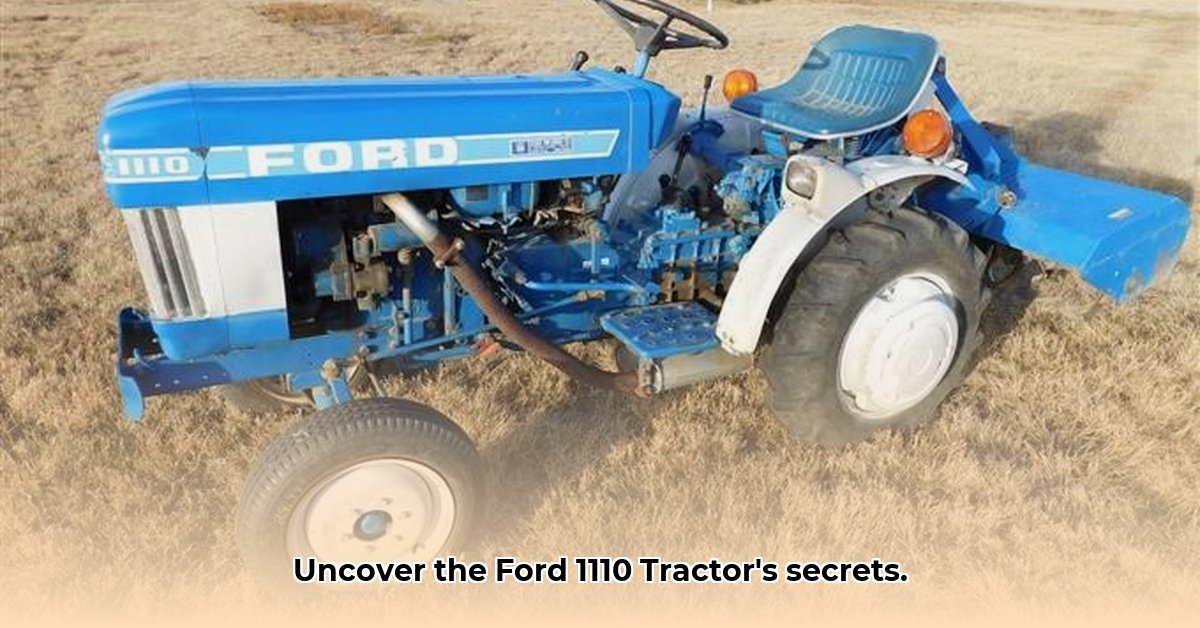
The Ford 1110, a compact tractor produced between 1983 and 1986 by Shibaura for Ford, offers a compelling blend of vintage charm and surprising capability. This guide provides a comprehensive overview, exploring its history, specifications, capabilities, and the considerations for potential buyers today. Is this classic machine right for you? Let's delve into the details. For more information on other classic Ford tractors, check out this helpful resource: Ford Tractor Models.
A Blast from the Past: History and Legacy
The Ford 1110 emerged during a time when agricultural technology was undergoing significant changes. This compact tractor, with its robust build, found its niche serving smaller farms, landscapers, and even dedicated hobbyists. Its remarkable maneuverability, a direct result of its compact design, proved invaluable in tight spaces where larger tractors struggled. While not a mass-produced workhorse, the 1110 earned a reputation for dependable service and continues to hold a special place in the hearts of many owners. Its legacy isn't defined by sheer numbers but by the consistent reliability it provided to its users.
Under the Hood: Performance and Specifications
Despite its compact size, the Ford 1110 delivered impressive performance for its time. Its 13-horsepower engine (a relatively small engine in today's standards), coupled with efficient power transmission via either a gear or hydrostatic transmission, made it surprisingly effective for its intended tasks. A 540 RPM rear PTO (Power Take-Off, a system for powering implements) provided considerable versatility, with optional mid and front PTOs further enhancing its capabilities. How did its surprisingly high power-to-weight ratio contribute to its overall effectiveness? It allowed for efficient operation despite its relatively small engine size. The available transmission choices catered to various operational preferences, giving buyers options tailored to their specific needs.
What Can It Do? Capabilities and Applications
The Ford 1110's compact stature was a significant advantage. Its ability to navigate confined spaces opened up a wide range of applications. Imagine its versatility: easily attaching a mowing deck for lawn maintenance, swapping it for a snowblower in winter, or utilizing a front-end loader for material handling. Some resourceful owners even adapted it for tilling smaller plots or operating light backhoes. This adaptability is a testament to the tractor's robust design and the ingenuity of its users. This wasn't just a farm tractor; it was a versatile tool readily adaptable to various tasks.
Weighing the Pros and Cons: A Balanced Perspective
Like any machine, the Ford 1110 boasts advantages and drawbacks. Let's assess both sides of the coin:
| Pros | Cons |
|---|---|
| Exceptional maneuverability in tight spaces | Parts availability can present challenges. |
| Adaptable to a wide array of implements | Finding a well-maintained model may require effort. |
| Choice of gear or hydrostatic transmission | Comprehensive long-term reliability data is limited. |
| Relatively simple mechanical design | Specialized mechanical knowledge may be required for maintenance. |
Owning a Piece of History: Ownership and Maintenance
Owning a Ford 1110 is an adventure. It's a chance to connect with agricultural history, but it comes with responsibilities. Parts may be difficult to source, demanding ingenuity and possibly requiring exploration of online forums and salvage yards. Regular maintenance is vital; it’s an investment in the tractor's health and longevity. This machine requires proactive care, rewarding those willing to invest the time to keep it running smoothly. Are you ready for the hands-on approach required by this classic machine?
Is it Worth It? Market Value and Collector Appeal
Collector interest in the Ford 1110 is growing, which can make it a potentially worthwhile investment. Its rarity and classic design appeal to enthusiasts. However, valuation varies substantially based on condition, included accessories, and market demand. Thorough research and careful assessment are absolutely crucial before you commit to purchasing one. The market value isn't static, so thorough due diligence is a must.
The Verdict: A Tractor for a Specific Need
The Ford 1110 offers a unique combination of vintage charm and surprising versatility. However, potential buyers must acknowledge its age, potential maintenance hurdles, and parts sourcing difficulties. It's a tractor with character, not typically replicated in modern designs. Ultimately, its suitability depends entirely on the buyer's needs, skills, and tolerance for hands-on care. It's a machine deserving of appreciation but not necessarily for everyone.
How to Find Replacement Parts for a Ford 1110 Tractor
Finding parts for a Ford 1110 can require resourcefulness due to the tractor's age. However, several avenues exist to locate the components you need.
Strategies for Sourcing Ford 1110 Parts
Locating parts for your Ford 1110 involves a multi-pronged approach:
Online Marketplaces: Begin your search on dedicated agricultural parts websites. Use precise part numbers or descriptive keywords. Verify part descriptions and images meticulously.
Specialized Dealers: Dealers specializing in vintage tractors are excellent resources. They possess extensive knowledge and often stock less common parts.
Online Communities: Engage with online forums and communities centered around Ford tractors or vintage agricultural machinery. These platforms are rich with valuable information, tips, and advice.
Aftermarket Suppliers: Consider aftermarket options as a more cost-effective alternative. Thoroughly review supplier reputations and product quality before making a purchase.
Tractor Parts Recyclers: Salvage yards hold potential for finding rare parts at lower cost.
Part Number Identification: A Critical Step
Knowing the precise part number greatly streamlines your search. Consult your owner's manual or utilize online parts diagrams for accurate identification.
Assessing Part Quality: A Necessary Precaution
With numerous sources, part quality varies. Inspect potential purchases for damage or wear. Cross-reference reviews and compare prices from multiple suppliers to make an informed decision.
Proactive Maintenance: A Key to Longevity
Regular maintenance significantly reduces the need for frequent repairs, saving you time and money. Preventative maintenance ensures your Ford 1110's continued smooth operation.